We're Glad You Are Here
This page is a chance to get to know a bit more about who we are, how we think, and why we do this work. If you're considering working with us, I think that matters — probably as much as the credentials.
Our Philosophy
The mind and the body aren't two separate things that happen to live together. They're one system, and they affect each other constantly. Psychology, emotions, physical history, stress load, nervous system state — they're all part of the same picture, and they all need to be in the room at the same time.
That's the core of how I work. Not because it's a philosophy I adopted from a book, but because it's what I kept running into in practice. People who'd done the rounds — physio, imaging, medication, rest — and were still stuck. Something was being missed. And more often than not, that something was the nervous system.
I'm also a scientist. I spent seventeen years as a university professor and researcher, and that background shapes everything. I care about evidence. I care about being honest about what we know and what we don't. And I think one of the most useful things I can offer is helping people understand what's actually happening in their body — not just what to do about it.
Meet the Team
Here at Mind Body Strength, sessions are led exclusively by Scotty. His work integrates clinical expertise with a nervous‑system‑informed approach to pain. Everything we do is designed to support meaningful change in a way that feels personal and grounded.
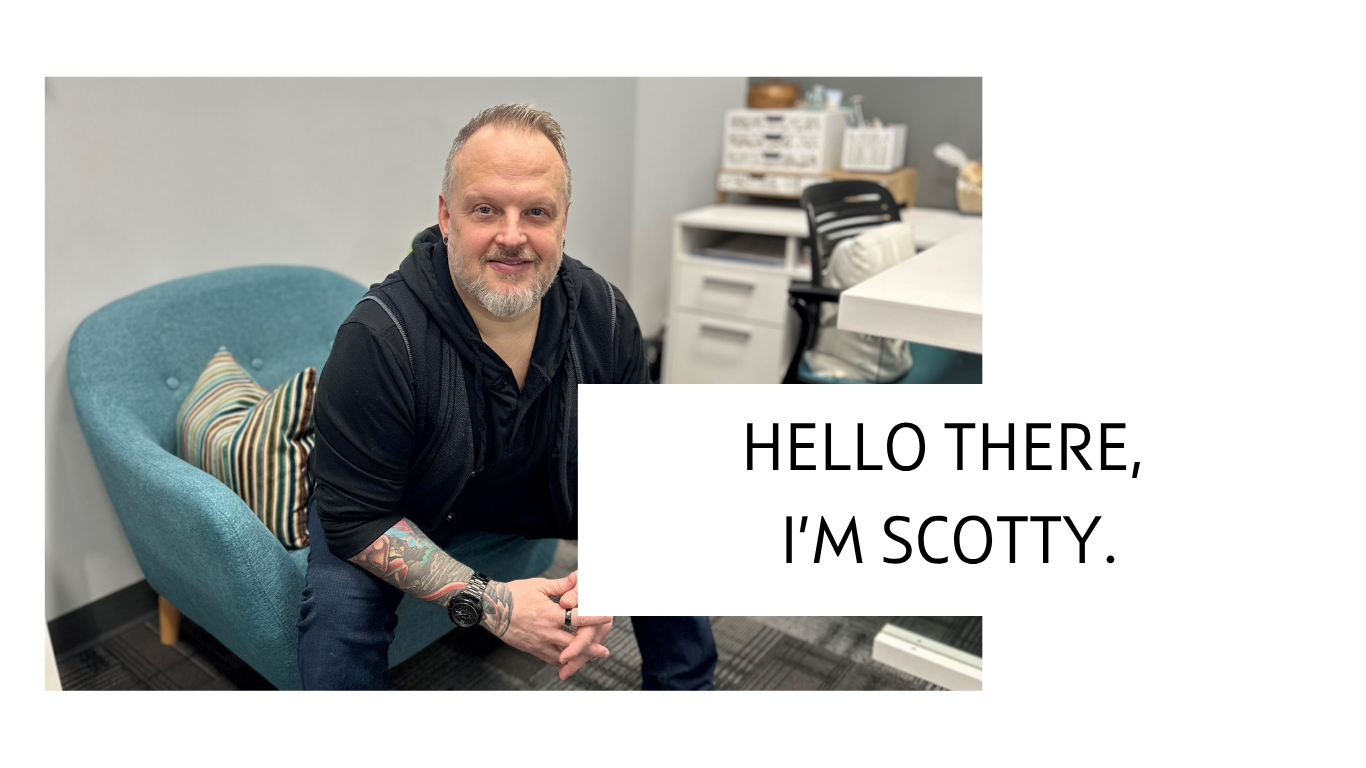
My path to this work wasn't a straight line.
I trained as a physiotherapist and built a career in academic science — teaching, researching, publishing. For a long time, I worked within the traditional physiotherapy model. And it helped a lot of people. But I kept noticing a gap. Patients who weren't getting better the way the model predicted. Chronic pain that didn't respond to treatment. Anxiety that sat underneath everything and never got addressed. Symptoms that made complete sense once you looked at the nervous system — but that the standard approach didn't have room for.
I started reading, training, and asking different questions. Pain neuroscience. Biofeedback. The relationship between stress, trauma, and physical symptoms. The more I learned, the more the pieces fit together.
My own history played a role too. I've had a long personal relationship with anxiety — decades of it, including panic attacks and the kind of low-level background stress that shapes how you move through the world. I've navigated chronic back pain. I've worked through depression. I'm not sharing that to position myself as someone who has it all figured out, but because I think it matters for the work. When someone tells me what it's like to live in a body that doesn't feel safe, I'm not just listening clinically. I understand something about it from the inside.
What I do now — the blend of physiotherapy, nervous system work, biofeedback, PRT, BWRT, coaching — is the result of years of clinical experience, ongoing training, and a genuine belief that most people can get meaningfully better. Not by pushing harder. By understanding what their system actually needs.
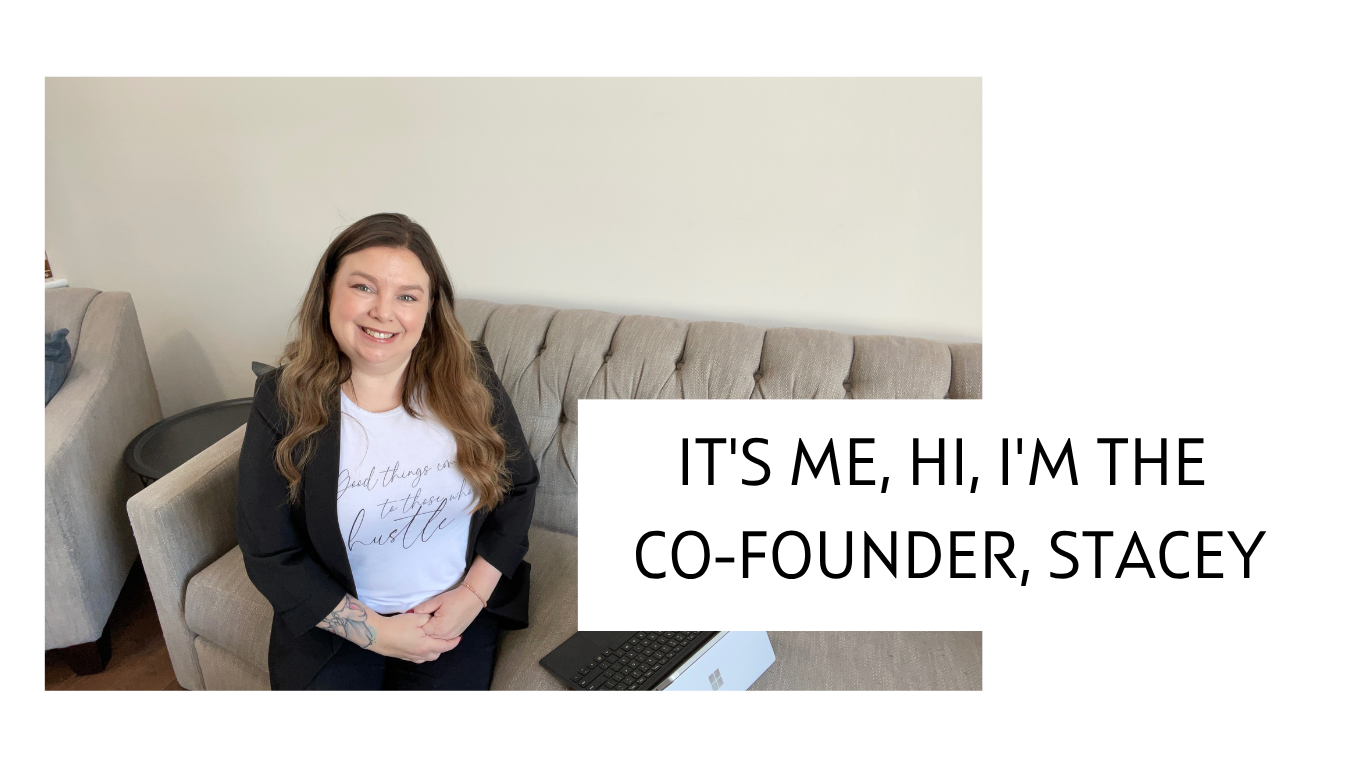
(it’s ok if you don’t get my Taylor Swift reference, we can still be friends).
I'm Stacey — co-founder and COO of Mind Body Strength, and the person responsible for everything that happens behind the scenes.
My background is in HR, payroll, and financial administration. Eighteen-plus years of building systems, managing details, and figuring out how to make organizations actually function. That's the work I know well, and it turns out there's a lot of it that a healthcare practice needs.
What I do at Mind Body Strength isn't glamorous in the way that clinical work is. I manage the website, the finances, the marketing, the client communications, and the operational side of everything that makes it possible for Scotty to focus on clients. I care a lot about getting those pieces right — because the experience someone has from the moment they land on this website to the moment they book their first session matters. If any part of that feels unclear or difficult, it's a barrier. And we don't want barriers.
I believe in what we're building here. The approach Scotty brings — the science, the genuine care, the willingness to actually listen — is something I've watched make a real difference for people. My job is to make sure the structure around that is solid enough to let it keep doing that.
Outside of work, I'm usually somewhere between five kids, three cats, and a strong cup of coffee. Occasionally all at the same time.
TRAINING & CREDENTIALS
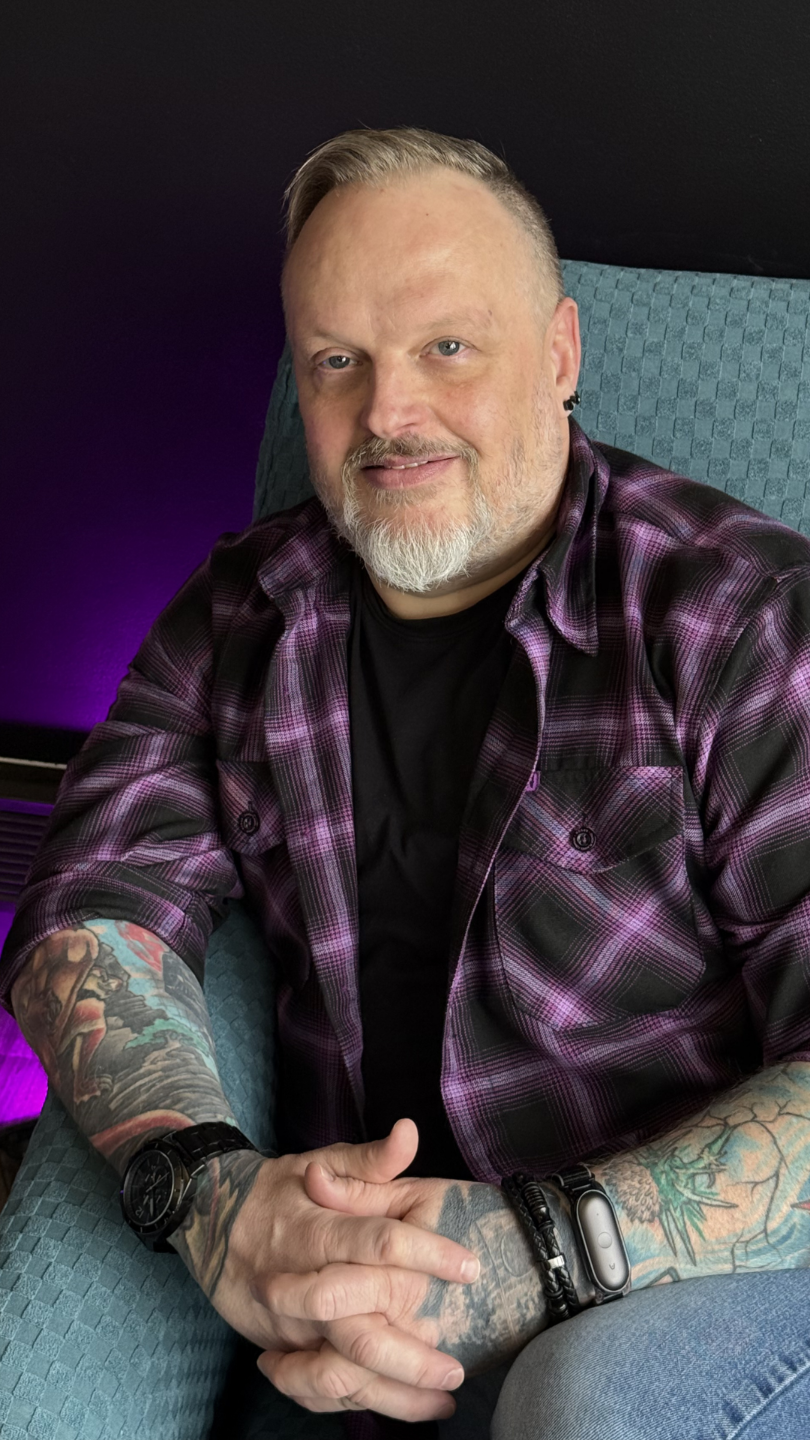
- Licensed Physiotherapist — Saskatchewan College of Physiotherapist
- PhD in Respiratory and Exercise Physiology
- Pain Reprocessing Therapy (PRT) Certification — Pain Psychology Center, Los Angeles
- BrainWorking Recursive Therapy (BWRT) — Registered Advanced Practitioner (Level 2)
- Heart Rate Variability (HRV) Biofeedback Certification
- Capnometry / Breathing Behaviour Analysis Certificate
- Mental Health Physical Therapy Certification
- Certified Trauma Professional
- Life Coach Certificate
- 25+ years in rehabilitation, neuroscience, and education
- 17 years as a university professor and researcher
What Working With Me Looks Like
Every new client starts with a thorough conversation — not just about symptoms, but about the full picture. History, patterns, what's been tried, what's helped, what hasn't. I find that the story is often as important as the symptoms themselves, sometimes more so.
From there, we build a plan together. It won't look the same for everyone, because it shouldn't. The tools I draw on are varied, and what gets used depends on what makes sense for where you are.
I'll be direct with you about what I think is going on, what I think can help, and — importantly — when something is outside my scope and referral makes more sense. I work best alongside other providers, not instead of them.
Sessions are available in-person in Saskatoon and virtually for clients anywhere in the world.
Not Sure Where to Start
The free 15-minute consultation is exactly what it sounds like — a no-pressure conversation. You share what's going on, I share how I work, and we figure out together whether it's a good fit.
If it's not, I'll tell you that honestly — and I'll do my best to point you somewhere that is.